
Seeking only the best vineyards
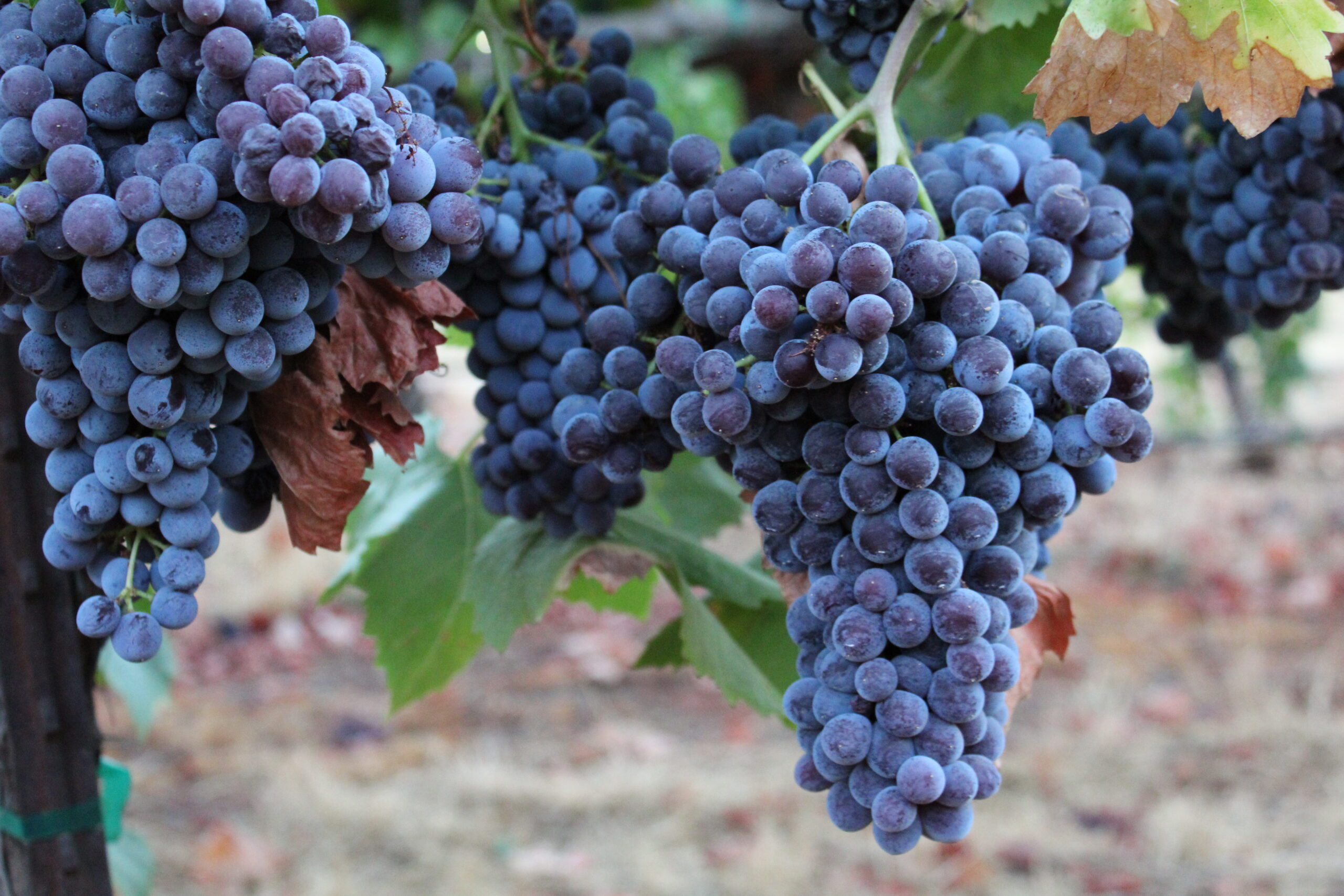
Certified Sustainable & Fish Friendly Farming Certified
McKahn Family Cellars sources grapes from some of the best vineyards in Northern California and has dedicated itself to crafting site specific Rhône varietal wines of quality and character. We are not beholden to any single appellation, and will search near and far for a vineyard that will produce fruit that meet our standard. California is blessed with some of the most diverse terroir in the world, and our wines reflect that wealth of diversity from the Russian River Valley to the Napa Valley; from the Sierra Foothills to the Livermore Valley.
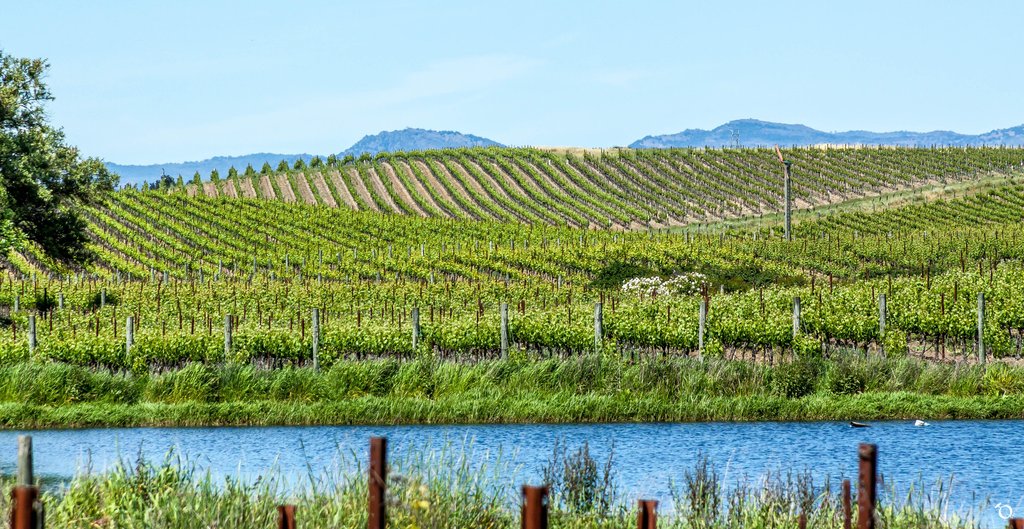
Los Carneros
The rolling hills of the Carneros American Viticultural Area straddle both sides of the southern Napa and Sonoma counties. The Syrah grapes we source are situated on the Napa County side, a few miles west of the city of Napa on Old Sonoma Road. Carneros is a varied appellation with many distinct microclimates, and this site is particularly unique. The vines are perched on a rocky west facing hill with optimal sun exposure throughout the growing season. This vineyard is also in the northern reaches of Carneros and benefits from a warmer growing season than the southern parts of the appellation closer to San Pablo Bay.
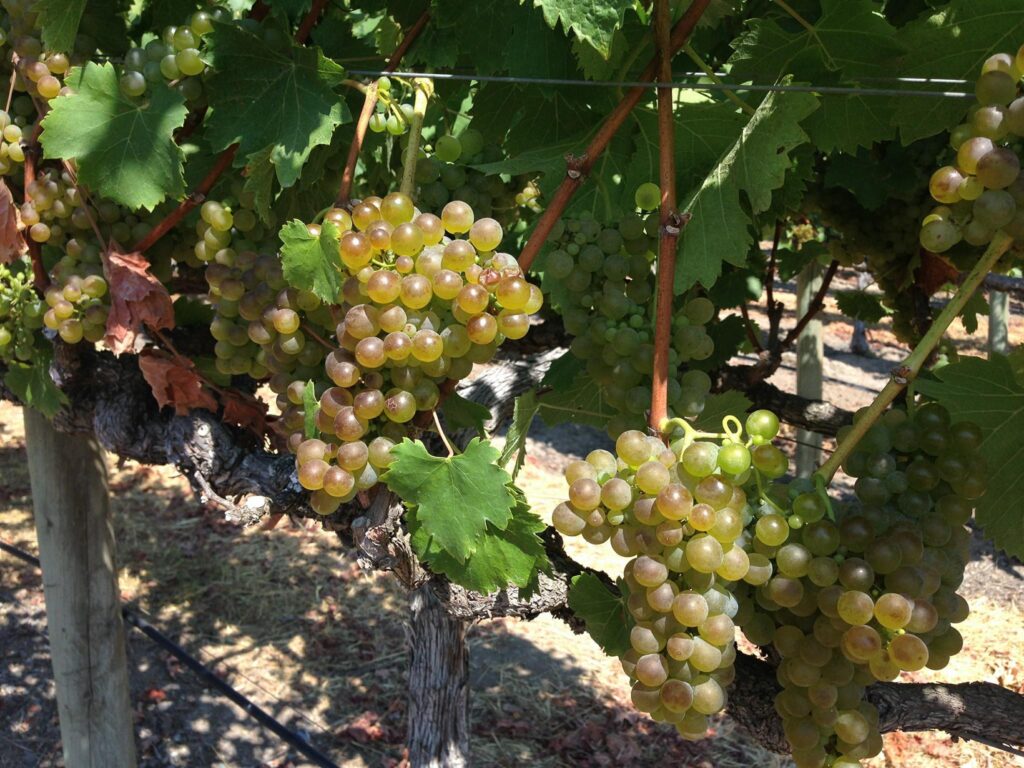
Russian River Valley
Our Viognier & Grenache Blanc grapes hail from Catie’s Corner Vineyard located in the northern area of the Russian River Valley. Catie’s Corner is owned by the Kunde Family and is Certified Sustainable and a Fish Friendly Farming Certified vineyard.This famed growing region is famous for its relatively warm days and very cool nights attributed to a nightly marine layer pulled in from the pacific ocean. The Russian River’s much wider ancient route formed fine silty loam soils, perfect for high quality white winegrowing.
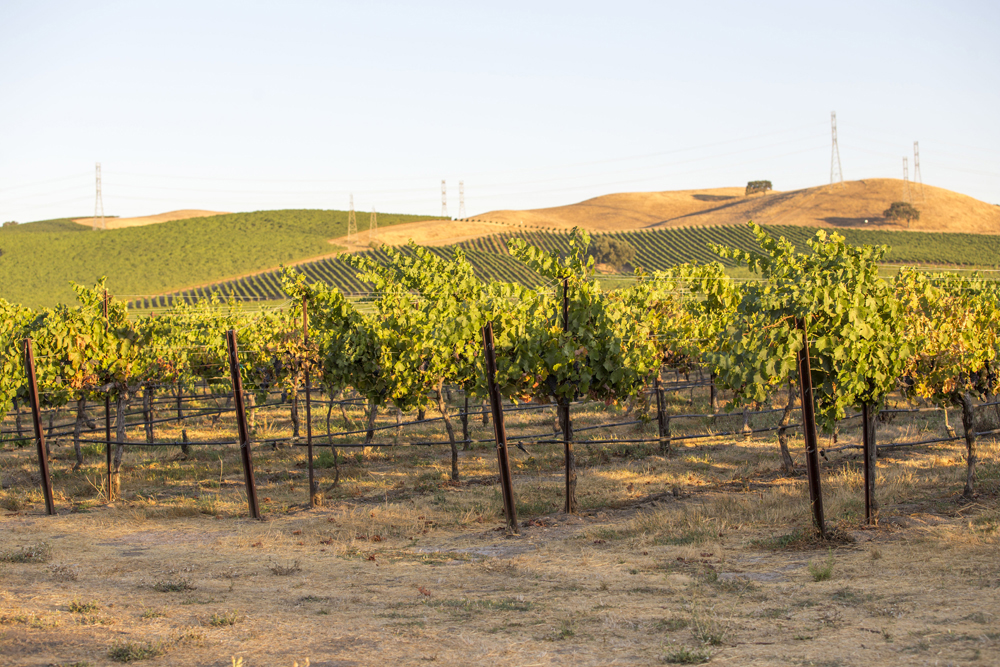
Livermore Valley
The Livermore Valley is an East-West oriented valley east of the San Francisco Bay, and west of the Altamont hills that separate the Bay Area from the Central Valley. Grapes have been cultivated here since the 19th century. The coastal fog that regularly moves in and out of the valley moderate the warm days of the growing season and makes it an ideal location for growing wine grapes. It’s defining characteristic is the gravel that occupies most of the soil profiles throughout the valley and makes for low vigor vines and highly concentrated wine.
Shenandoah Valley of California
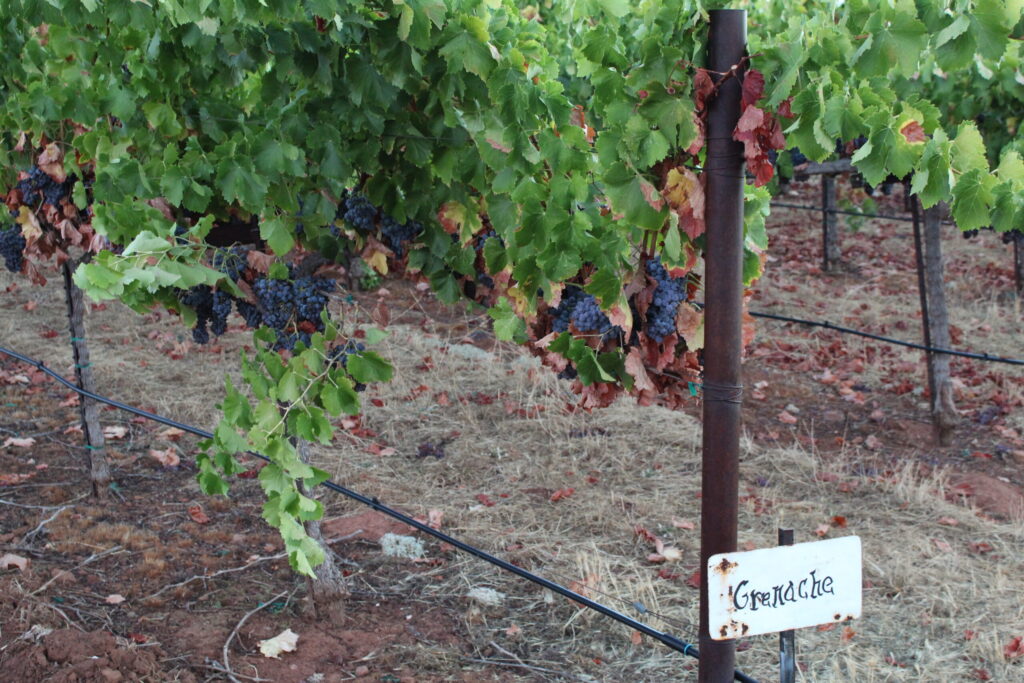
The California Shenandoah Valley is the oldest growing region in the broader Sierra Foothills Appellation. It is the most western and lowest elevation of its sister appellations, and warm climate varietals benefit from substantial summer heat. The hilly terrain and poor water holding capacity produce wines of richness and structure. The soil profile for much of the valley is decomposed granite derived from the Sierra Nevada mountain range, as well as sandy loam. The high iron content gives the soil a rusted color.
Sonoma Valley
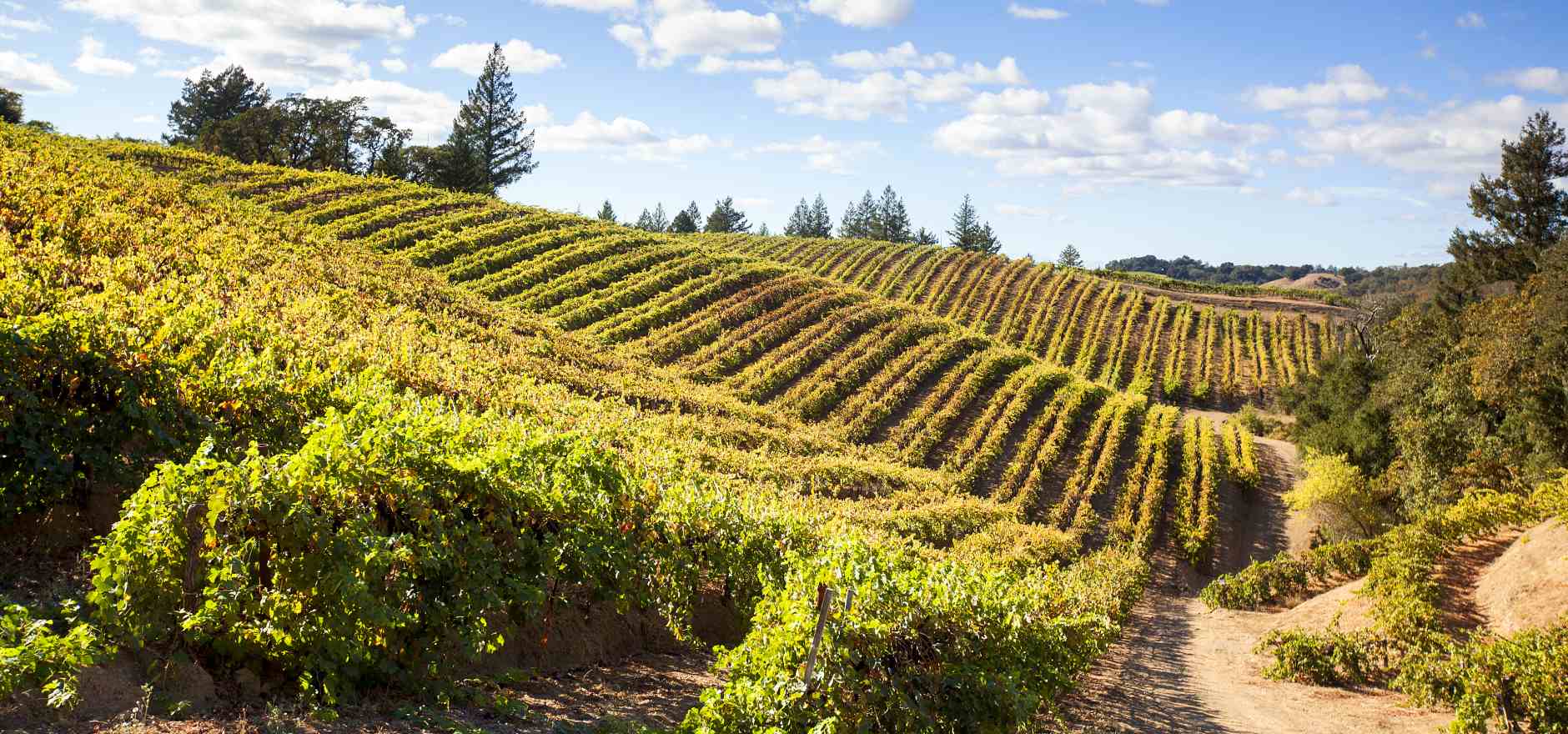
The Sonoma Valley American Viticultural Area lies on the western slopes of the Mayacamas mountain range in southeastern Sonoma County. The valley runs north and south and benefits from cool air flows from the San Pablo Bay that chill grapes down during the warm growing season.